


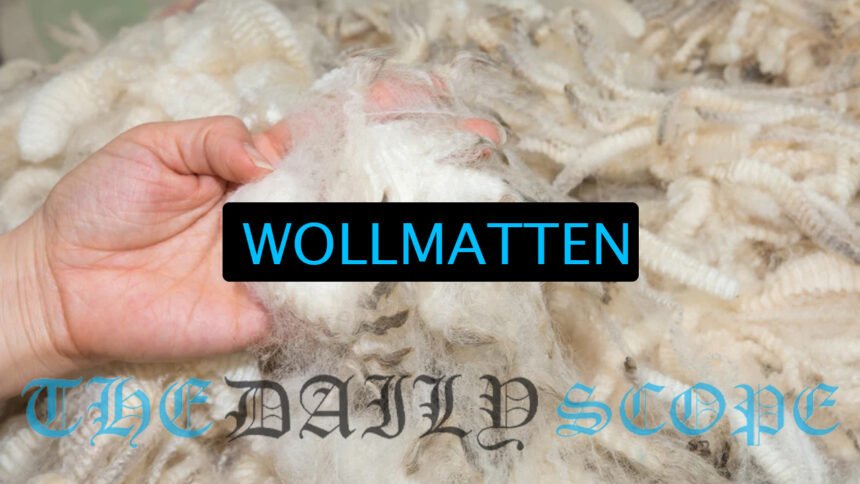
Wollmatten are wool-based mats designed for comfort, protection, insulation, gardening, and several everyday uses. The German word “Wollmatten” simply means wool mats, although the exact design can vary depending on their purpose. Some mats provide a warm surface for sitting or exercising, while others protect plants, cover floors, or improve insulation. Because wool offers warmth, flexibility, and moisture control, these mats remain useful in both traditional and modern settings.
What Are Wollmatten?
Wollmatten are generally made from natural wool, especially sheep wool, which manufacturers clean, process, compress, felt, or layer to create a durable mat. However, not every product uses exactly the same construction. Some contain pure wool, while others combine wool with cotton covers, backing materials, or additional fibers.
As a result, Wollmatten can feel soft and thick or dense and firm. A comfortable indoor mat may focus on cushioning, whereas a gardening or insulation mat may prioritize durability and temperature protection.
What Wollmatten Are Made Of
The main material in Wollmatten is usually sheep wool. Wool has naturally crimped fibers that trap small pockets of air. Therefore, it can help retain warmth while still allowing moisture vapor to move through the material.
Some manufacturers use several wool layers to create thicker mats. Others compress the fibers into felt-like sheets. In addition, certain products include cotton, fabric backing, stitching, or protective layers to improve strength and make the mat easier to use.
Before buying, however, it is worth checking the material label. A product described as a wool mat does not always contain 100 percent wool.
Types of Wollmatten
Wollmatten come in several forms because people use them for different purposes. Wool mats for homes often provide a warm and comfortable surface for sitting, relaxing, or lying down. Meanwhile, yoga and meditation versions usually offer extra cushioning between the body and a cold floor.
Garden versions work differently. These mats may wrap around pots or cover soil to protect roots from cold temperatures. Similarly, thicker Wollmatten can work as thermal insulation in appropriate applications.
There are also protective mats designed for furniture, flooring, pets, and other household purposes. Therefore, size, thickness, density, and softness can vary considerably.
Benefits of Wollmatten
One of the biggest advantages of Wollmatten is their ability to provide warmth naturally. The structure of sheep wool traps air within its fibers, which helps reduce rapid heat transfer. Consequently, wool feels warm without requiring a thick synthetic foam layer.
Another important benefit is moisture regulation. Wool can absorb moisture vapor and later release it as conditions change. Because of this feature, it can create a more comfortable surface in bedding, yoga, and indoor applications.
Wool also offers natural resilience. Its fibers can bend and recover repeatedly, which helps well-made mats maintain their structure over time. Additionally, untreated wool belongs to the category of natural fibers that can biodegrade under suitable conditions.
Wollmatten for the Home
Inside the home, Wollmatten can make hard or cold surfaces more comfortable. People may place them on wooden floors, tiles, or other solid surfaces when they want added warmth and cushioning.
Larger wool mats can also serve as sitting areas, floor mattresses, play surfaces, or relaxation mats. Moreover, some people prefer wool because it offers a softer and more natural feel than many plastic-based alternatives.
However, homeowners should choose a mat according to its intended use. A lightweight decorative mat may not provide the same support as a thick multilayer Wollmatte designed for sleeping or floor seating.
Wollmatten for Yoga
Yoga mats made with wool appeal particularly to people who practice meditation, restorative yoga, stretching, or slower forms of exercise. Wool creates a warm and cushioned surface, which can feel comfortable during longer seated or lying positions.
However, wool does not provide the same grip as textured rubber. Therefore, anyone practicing fast or movement-heavy yoga should check whether the mat offers enough traction.
For meditation and gentle routines, though, a wool surface can create a comfortable space while reducing direct contact with a cold floor.
Wollmatten in the Garden
Garden mats made from wool have several useful applications. Gardeners can place them around plants, pots, or containers to provide an extra layer of protection during colder weather.
Wool can also hold moisture while allowing air movement. Therefore, suitable gardening Wollmatten may help protect soil from drying too quickly. In addition, biodegradable untreated wool eventually breaks down under the right conditions.
Still, gardeners should not assume that every Wollmatte belongs in the soil. Some products contain synthetic backing, dyes, adhesives, or treatments. For that reason, only mats specifically intended for gardening should be used directly around plants or soil.
Thermal Insulation
Wool works well as thermal insulation because its natural structure holds air between the fibers. Trapped air slows the movement of heat, which explains why wool has traditionally been used in clothing, bedding, rugs, and building materials.
Wollmatten can therefore help create warmer surfaces and reduce exposure to cold. Gardeners may use them around pots, while homeowners may choose specialized wool insulation products for suitable building applications.
Nevertheless, construction insulation requires properly tested materials. Ordinary household Wollmatten should never replace certified building products without checking their technical specifications.
Moisture Regulation
Moisture regulation is another reason wool performs well in mats. Instead of immediately feeling damp when exposed to humidity, wool fibers can interact with water vapor within their structure.
This property can make Wollmatten comfortable in bedrooms, meditation areas, or other indoor spaces. Furthermore, it helps explain why wool has remained popular in clothing and bedding for generations.
However, wool is not waterproof. Heavy rain, standing water, or repeated soaking can leave a mat wet for a long time. Therefore, indoor Wollmatten should stay protected from unnecessary water exposure.
Natural Fibers and Sustainability
Wool belongs to the group of renewable natural fibers because sheep regularly grow new fleece. Under suitable environmental conditions, untreated wool can also biodegrade rather than remaining indefinitely as plastic waste.
Still, sustainability depends on more than one material. The environmental impact of Wollmatten can also depend on farming methods, transportation, manufacturing, dyes, backing materials, packaging, and product lifespan.
Therefore, buyers who care about sustainability should look for durable mats with clear material information. A long-lasting product that receives proper care can often provide better value than one that needs frequent replacement.
Wollmatten vs Synthetic Mats
Wollmatten and synthetic mats each offer different advantages. Wool provides natural warmth, cushioning, moisture regulation, and a soft surface. Synthetic mats, meanwhile, may cost less, weigh less, resist water better, or offer stronger grip.
The right choice depends largely on how the mat will be used. For meditation, bedding, warmth, or natural home interiors, wool may be an excellent option. On the other hand, a synthetic surface may work better where frequent washing, waterproofing, or strong traction matters most.
Rather than choosing purely by material, buyers should compare construction, thickness, maintenance needs, and expected use.
Choosing Wollmatten
When selecting Wollmatten, first decide where and how the mat will be used. For indoor comfort, focus on softness, size, thickness, and wool content. For yoga mats, consider cushioning and grip. Meanwhile, garden mats should be suitable for outdoor conditions and safe for use around plants.
Thickness also matters. A thicker mat usually provides more cushioning and insulation, but it may weigh more and take longer to dry. Similarly, dense mats may last longer but can feel firmer.
Finally, check whether the product contains pure sheep wool or a blend. Clear material information makes it easier to compare quality and determine whether the mat suits your needs.
Cleaning Wollmatten
Proper cleaning can help Wollmatten last longer. Regular shaking, gentle brushing, or careful vacuuming can remove dust and loose debris without soaking the wool.
For small marks, spot cleaning may work better than washing the entire mat. Moreover, regular airing can help keep wool products fresh.
Avoid aggressive heat and heavy agitation unless the manufacturer specifically allows them. Wool fibers can shrink or felt when exposed to the wrong washing conditions. After cleaning, allow the mat to dry thoroughly before storing or using it again.
Advantages and Drawbacks
Wollmatten offer several appealing benefits. They provide natural warmth, cushioning, thermal insulation, and moisture management. They can also work in homes, gardens, meditation spaces, and other practical settings.
However, wool products can cost more than basic synthetic alternatives. They may also require more careful cleaning, and natural wool can sometimes have a noticeable scent, especially when damp.
Moths may damage wool during poor long-term storage as well. Therefore, mats should stay clean, dry, and properly stored when they are not being used.
Why Wollmatten Matter
Wollmatten matter because they demonstrate how a traditional natural material can still solve modern everyday problems. Wool provides warmth, comfort, resilience, and versatility without relying entirely on synthetic materials.
From household wool mats and comfortable yoga mats to protective garden mats, Wollmatten can serve many different purposes. More importantly, their value comes from practical wool properties rather than trends alone.
For people who prefer natural fibers, comfortable surfaces, and adaptable materials, Wollmatten remain a useful option. Choosing the right construction, thickness, and wool content can make the difference between an ordinary mat and one that stays useful for years.
Final Thoughts
Wollmatten are much more than simple wool coverings. Depending on their design, they can provide comfort, plant protection, warmth, moisture regulation, and thermal insulation in everyday environments.
Their usefulness comes largely from sheep wool, a natural material known for its ability to trap air, manage moisture, and create a comfortable surface. At the same time, buyers should remember that not every Wollmatte has the same construction or purpose.
By choosing the right type and caring for it properly, Wollmatten can offer a practical balance of comfort, durability, and natural performance.
FAQ
What are Wollmatten?
Wollmatten are wool-based mats commonly made from sheep wool and used for comfort, insulation, gardening, yoga, and home applications.
What are Wollmatten made from?
Most Wollmatten contain sheep wool, although some products may also include cotton covers, fabric backing, or additional materials.
Are Wollmatten good for insulation?
Yes. Wool naturally traps air within its fibers, which helps Wollmatten provide useful thermal insulation and warmth.
Can Wollmatten be used in gardens?
Yes. Certain garden-specific Wollmatten can help protect plants, pots, and roots from cold temperatures while also supporting moisture management.
Are Wollmatten better than synthetic mats?
It depends on the intended use. Wollmatten offer natural warmth, softness, and moisture regulation, while synthetic mats may provide easier cleaning, lower cost, or stronger water resistance.